
18-Wheeler & Commercial Truck Accidents · Greater New Orleans
Metairie & New Orleans Truck Accident Lawyer
A wreck with an 18-wheeler is not just a bigger car accident. The truck outweighs your vehicle 20 to 30 times — and the company behind it has a defense team on the scene before the wreckage is even cleared.
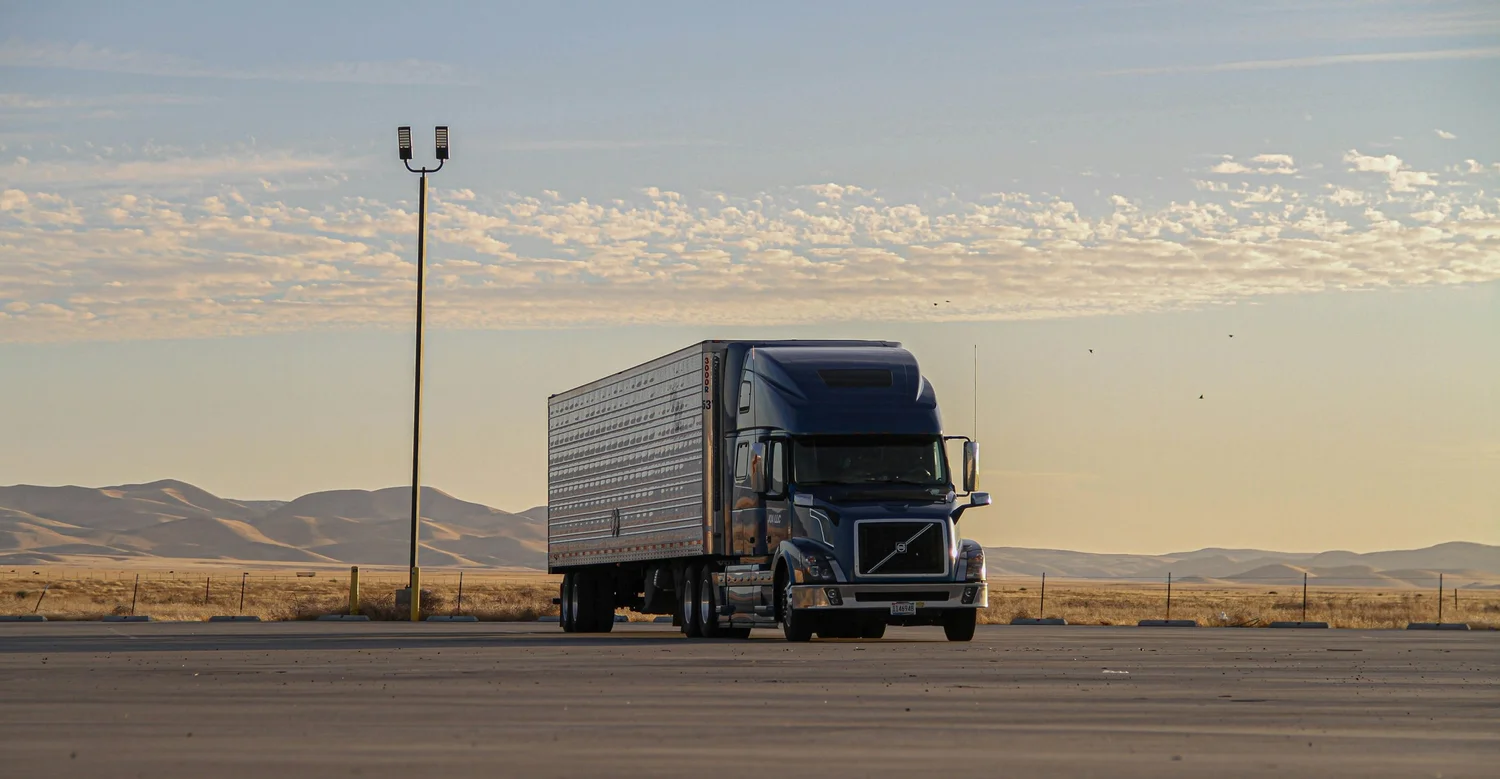
The driver works for a company with insurance limits in the millions, defense lawyers on retainer, and an investigator on the scene before the wreckage is cleared. Evidence — driver logs, electronic control module data, the truck itself — starts disappearing within days. And the people on the other side of your case are not the trucking company's friendly local agent; they're a national insurance defense team whose job is to settle your claim for as little as possible, as quickly as possible. At Bono Law Firm, we've represented injured Louisianans since 1980, and we know how trucking companies build their files because we've spent decades dismantling them. If you've been hit by a commercial truck in Greater New Orleans, you talk directly with an attorney named Bono — John C. Bono or Michael P. Bono — not a case manager, and you pay nothing unless we recover money for you.
Some firms are built for volume. Bono Law Firm is built for personal attention.
What makes truck accident cases different
Three things separate a truck accident case from a standard car wreck, and all three work against the injured person if their lawyer doesn't know how to handle them.
- Federal regulations apply. Commercial trucks are governed by the Federal Motor Carrier Safety Regulations (FMCSR) — rules covering driver qualifications, hours of service, vehicle maintenance, drug and alcohol testing, weight limits, and much more. A violation of any of these can establish negligence on its own. A trucker who falsified a logbook, a maintenance department that skipped a brake inspection, a carrier that hired a driver with a history of violations — these are case-winning facts, and finding them requires knowing where to look.
- Multiple parties can be responsible. In a car accident, you usually sue the other driver. In a truck accident, the list is much longer: the driver, the trucking company, the trailer's owner if different, the broker who arranged the load, the shipper who loaded it, the maintenance contractor, and sometimes the manufacturer of a defective part. Each carries its own insurance policy, and finding all of them is often the difference between a settlement that covers your bills and one that genuinely makes you whole.
- The insurance is much bigger — and so is the fight over it. Federal law requires interstate commercial trucks to carry at least $750,000 in liability coverage; most carry $1 million or more, and serious-injury cases routinely involve policy stacks of $5 million to $10 million or higher. That money does not change hands easily. Trucking insurers have rapid-response teams who arrive within hours to manage the investigation and limit their exposure. By the time most injured people think to call a lawyer, the trucking company already has one.
What to do in the first 72 hours
The hours immediately after a truck crash matter more than most people realize. A few decisions made — or not made — in the first three days can determine whether a case is worth $50,000 or $500,000.
- Call 911 and accept medical care at the scene. The accident report and the ambulance record become foundation documents in your case, and gaps in treatment are the first thing the trucking company's insurer uses against you.
- Photograph everything you can, safely. The vehicles, the scene, the truck's company markings and DOT number, road conditions, your injuries. Take more than you think you need.
- Get names and contact info for any witnesses. Bystanders disappear, and witness memories fade within weeks.
- Do not give a recorded statement to the trucking company's insurance representative. They'll call quickly — sometimes the same day — sounding friendly. That call is being recorded and used to build their defense. Politely decline and refer them to your lawyer.
- Do not sign anything from the trucking company or their insurer. Early "settlement" offers in serious cases are almost always a fraction of the claim's real value.
- Call a lawyer fast. This is the single most important step — because of the next section.
The spoliation letter — why fast action protects your case
Within days of a truck crash, the trucking company will receive a notice from us — called a letter of spoliation — formally demanding that they preserve every piece of evidence relating to the wreck. This includes the truck itself, the electronic control module (the truck's "black box"), driver logbooks, hours-of-service records, maintenance records, dashcam footage, communications between the driver and dispatch, and the driver's qualification file.
Without this letter, much of that evidence can legally be destroyed in the trucking company's ordinary course of business — and often is. A truck involved in a crash may be repaired and back on the road within weeks; logbook entries get purged on routine schedules; ECM data gets overwritten with new trip data. By the time a slow-moving case asks for these records months later, they're often gone.
This is why you shouldn't wait to call. Sending the spoliation letter in the first days of representation is part of how serious trucking cases get won. The evidence that proves your case is most at risk in the period right after the crash — exactly when a slow start does the most damage.
Common causes of truck accidents we see
The cases that come into our office tend to fall into a few categories, each with its own evidence trail:
- Fatigued driving — federal hours-of-service rules limit time behind the wheel, but dispatcher pressure and tight schedules push drivers past the limits constantly. Logbook violations and ELD (electronic logging device) data are central evidence.
- Improperly loaded or secured cargo — shifting freight causes rollovers, jackknifes, and lost-load accidents. Liability often extends to the shipper, not just the carrier.
- Brake failure and mechanical defects — trucks should be inspected before every trip. When that doesn't happen, the maintenance company and the carrier are both on the hook.
- Driver inexperience or inadequate training — companies that hire under-qualified drivers, rush them through training, or hire drivers with violation histories carry liability for those decisions.
- Distracted driving — phone records, dispatch logs, and ELD data tell the story of what the driver was doing in the minutes before impact.
- Drugs or alcohol — federal regulations require post-accident testing in many cases. The results, and any failures or refusals, become powerful evidence.
- Defective truck parts — tire blowouts, steering failures, and other component defects can shift the case toward a products-liability claim against the manufacturer.
What Louisiana truck accident victims can recover
Compensation in a Louisiana truck accident case may include:
- Medical expenses — emergency care, surgery, hospitalization, rehabilitation, future treatment, and assistive equipment
- Lost wages — both immediate and the long-term loss if your injuries affect your ability to work
- Pain and suffering — physical pain, emotional distress, and loss of enjoyment of activities you can no longer do
- Permanent disability or disfigurement — for injuries that change how you live
- Property damage — your vehicle and personal belongings damaged in the crash
- Wrongful death damages — for families who lost a loved one in a fatal truck crash, including funeral expenses, loss of financial support, and loss of companionship
The value of a particular case depends on the severity of injuries, the available insurance, the specific facts of the wreck, and how much liability the truck-side parties bear. No two cases produce the same result, and any lawyer who promises a specific number before reviewing your file is guessing. You can see the kind of outcomes we fight for in our case results.
Louisiana law in 2026 — two recent changes that matter
Two important changes to Louisiana injury law affect truck accident cases right now:
- The deadline to file is now two years for accidents on or after July 1, 2024. Louisiana long had one of the shortest filing windows in the country — one year, called "prescription." It was extended to two years (La. Civ. Code art. 3493.1) for accidents on or after July 1, 2024. Older accidents may still fall under the one-year deadline. Either way, evidence in truck cases starts disappearing within days, so two years should never be confused with "you have time to wait."
- The comparative-fault rule changed January 1, 2026. Louisiana now follows a modified comparative-fault rule with a 51% bar (amended Civil Code article 2323) — if you're found 51% or more at fault, your recovery can be barred entirely. Insurers have an aggressive new incentive to shift fault onto the injured driver, which makes recorded statements and innocent-sounding questions from a trucking insurer more dangerous than ever. Don't give one before talking to a lawyer. (Accidents before 2026 stay under the old pure-fault rule.)
Why a smaller firm is the better answer in a big case
Trucking accident cases are often the most lucrative work an injury firm sees. Many large firms aggressively advertise for them — which is also why the experience inside those firms is often the experience clients complain about: handoff to a case manager, slow callbacks, paralegal-handled file work, and a partner who finally appears at the settlement table.
At Bono Law Firm, our clients deal directly with John C. Bono or Michael P. Bono from the first call through resolution. We keep our caseload at a size that lets us know every client and every file personally. The trucking companies will know they're dealing with lawyers who try cases — and that we're prepared to take theirs to trial. That's what makes us different.
Where we handle truck accident cases
Bono Law Firm represents truck accident victims throughout Greater New Orleans and the surrounding Louisiana parishes — Jefferson, Orleans, St. Tammany, St. Charles, St. John the Baptist, Plaquemines, St. Bernard, Lafourche, and statewide when the case calls for it. Most of our truck accident work involves wrecks on the major commercial corridors that run through our service area: Interstate 10, Interstate 12, Interstate 55, the Causeway, U.S. 90, U.S. 61, and the surface arteries that feed them — Veterans Memorial Boulevard, Clearview Parkway, the West Bank Expressway. These are the same roads we drive every day. We know them; we know where the trucking traffic concentrates; and we know where the wrecks keep happening.
No fee unless we recover
Hit by an 18-wheeler? Let's talk — for free.
Since 1980, Bono Law Firm has helped injured Louisiana clients and their families navigate the worst days of their lives — more than 6,000 of them. Consultations are free, home and hospital visits are available, our phones are answered 24 hours a day, and there's no fee unless we recover compensation for you.
Free Consultation — Call (504) 835-9909Direct attorney access · No fee unless we recover · Se Habla Español
Common questions
Truck accident FAQ
Why do I need a lawyer fast in a truck case?
Because the evidence that proves your case — the truck's black box, driver logs, maintenance records, dashcam footage — can legally be destroyed in the company's ordinary course of business, and often is within weeks. We send a spoliation letter in the first days demanding it all be preserved, before it's gone.
The trucking company's insurer called and seemed helpful — should I talk to them?
No, not before you talk to a lawyer. Their rapid-response team calls quickly and sounds friendly, but the call is recorded and used to build their defense — and under Louisiana's 2026 fault rule, anything that shifts blame onto you is more dangerous than ever. Politely decline and refer them to us.
Who can be held responsible besides the driver?
Often several parties: the trucking company, the trailer's owner, the broker, the shipper who loaded the freight, the maintenance contractor, and sometimes a parts manufacturer. Each carries its own insurance, and identifying all of them is often what separates a settlement that covers your bills from one that makes you whole.
How long do I have to file?
For accidents on or after July 1, 2024, Louisiana generally allows two years, though older accidents and certain situations can differ. But the evidence in a truck case starts disappearing within days, so the filing deadline is the last thing you should rely on — call early.
Hurt in a truck or 18-wheeler accident in Greater New Orleans? Talk to a firm that knows how trucking companies build their defense — and how to take it apart.
Direct attorney access · No fee unless we recover · Se Habla Español
Bono Law Firm, APLC · 3801 North Causeway Blvd, Ste. 206, Metairie, LA 70002 · Serving Jefferson, Orleans, St. Tammany, St. Charles, and the surrounding parishes · Se Habla Español