
What to Do After a Crash on the Causeway
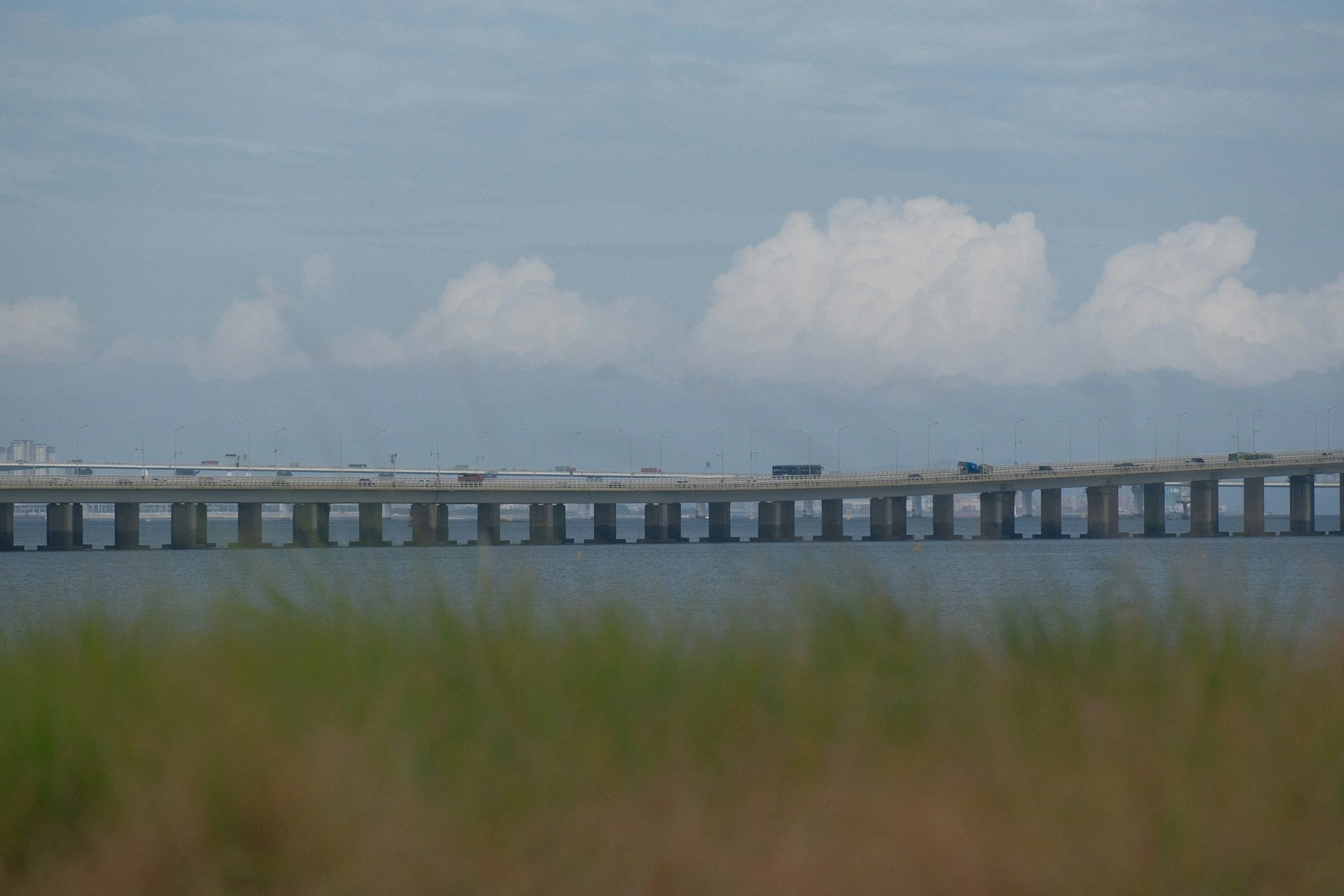
The Causeway is a part of daily life for thousands of Northshore commuters — and one of the more unnerving places to have a wreck. Nearly 24 miles of two-lane bridge, no real shoulder to pull onto, sudden fog, and help that can be miles away. If you're in a crash out on the bridge, a few things are different from a normal fender-bender, and knowing them ahead of time matters.
Why a Causeway crash is different
On most roads, you can pull onto the shoulder, get out, and sort things out. The Causeway doesn't give you that. The lanes are narrow, there's nowhere to move a damaged car out of traffic, and following vehicles can come up fast — especially in the fog the bridge is known for. That combination makes a Causeway crash more dangerous after the initial impact than many wrecks on land, and it changes what you should do first.
What to do if you're in a crash on the bridge
Get yourself safe first. If your car is drivable and blocking a lane, moving it toward a crossover or off the bridge may be safer than sitting in live traffic — but only if it's safe to do so. If you can't move, put your hazards on immediately.
Stay in your vehicle with your seatbelt on if you're stuck in a travel lane and it isn't safe to get out. Standing on the Causeway with traffic moving is extremely dangerous.
Call 911. The Causeway has its own police and 24-hour patrols who monitor the bridge; help is coordinated, but tell them exactly where you are (mile markers and crossovers help).
Use the call boxes if you don't have your phone — the bridge has emergency phones spaced along it.
Document what you safely can — photos of the vehicles, the fog or road conditions, and the other driver's information — but never at the cost of standing in traffic.
Get checked out medically, even if you feel okay. Adrenaline hides injuries, and neck and back injuries from a rear-end hit often show up a day or two later.
Fog, following too closely, and who's at fault
Many Causeway crashes are rear-end and chain-reaction collisions, often tied to fog and drivers going too fast for conditions. In Louisiana, drivers are expected to adjust their speed and following distance for conditions like fog — so "I couldn't see" is usually not a defense; it's often the opposite. That said, fault on a multi-car bridge pileup can get complicated fast, with several drivers and insurers pointing fingers. That's exactly the kind of case where getting the facts documented early — before the fog lifts and the story changes — makes a real difference.
Injured in a crash on the Causeway? Talk to a local firm.
If you or someone you love was hurt in a wreck on the Causeway, don't let the insurance companies sort out the blame without you. Since 1980, Bono Law Firm has represented injured people across the Northshore, Metairie, New Orleans, and all of Louisiana. When you call, you talk directly with an attorney — John or Michael Bono — never a case manager. The consultation is free, and you pay nothing unless we recover for you.
Call (504) 835-9909 for a free consultation.